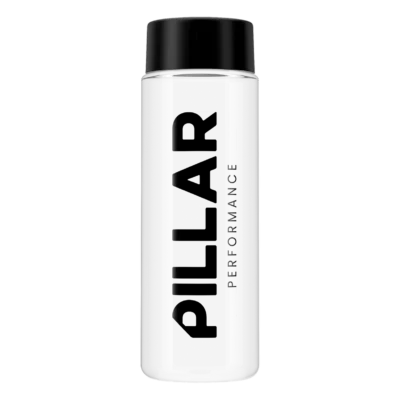

THE BENEFITS
- Triple-strength concentrated omega-3.
- Supports joint mobility.
- Relieves mild joint inflammation.
- Relieves mild joint aches and pains.
- Supports cardiovascular and cognitive health.
- Natural orange oil flavoured.
- 90 soft gel capsules.


AED 231.00

A market-leading fish oil formulation, ULTRA OMEGA has been developed for athletes delivering an EPA dominant formula for maximal support per capsule for joint mobility and mild joint inflammation. ULTRA OMEGA also features high dose DHA to support cardiovascular health and cognitive function.
ULTRA OMEGA is also flavoured with natural orange oil to avoid any fishy smell or aftertaste.
Out of stock
Want to be notified when this product is back in stock?
*Product is produced in a facility that also handles sulphites, cereals containing gluten, crustaceans, eggs, fish, soybeans, milk, mustard and products derived thereof.
ULTRA OMEGA is Informed Sport Certified.
To obtain the relevant Batch Certificate for this product, head to our Batch Certificate Library and search for your product’s batch number to find the corresponding certificate.
Contact sport athletes endure extensive physiological strain in training and competition. These sports, such as Rugby League, involve repeated sprint intervals and high impact body collisions, often resulting in tissue damage and inflammation. Female participation has also dramatically increased in many of these contact sports, over the last decade with more professional teams taking part in national competitions.
Nutrition strategies for elite rugby athletes has traditionally focussed on meeting total energy requirements with a focus on carbohydrates and proteins, largely ignoring the variety of dietary fats(1). Omega-3 fats are the best example of providing physiological support to contact sport athletes via recovery and repair such as lowering heart rate(2), reducing muscle soreness(3) and limiting neural inflammation(4). Optimal omega-3 status can only be achieved through intake of the pre-formed omega-3 fatty acids, eicosapentaenoic acid (EPA) and docosahexaenoic acid (DHA), however, it is well known that many athletes fall short of daily recommendations for adults (minimum of 500 mg / day of combined EPA and DHA)(5) .
A recently published Australian study of elite female Rugby League athletes has tackled this topic head on by investigating the impact of ad libitum provision of PILLAR Performance, ULTRA OMEGA fish oil capsules on the athlete’s omega-3 status throughout the rugby league season(6). Twenty-four female athletes, all from the same professional team, took part in the research study. The athletes were assessed using a finger prick sample for the red blood cell biomarker, Omega-3 Index (O3I = EPA + DHA) and Arachidonic Acid:EPA ratio (AA:EPA). The team O3I was 4.77% where the target is >8% and their AA/EPA was 14.89 where the target is <11. In response to these results, a nutrition education session was conducted in collaboration with the team’s Sport Dietitian and this session promoted the role of both EPA and DHA as part of their recovery plan. The athletes were recommended daily dose of four capsules per day providing 2,160 mg EPA and 1,440 mg DHA a total dose slightly above that published recommendations for elite athletes(7).
At the end of the season (10 weeks), the team’s mean O3I had significantly increased to 7.28% underpinned by elevated DHA and the AA:EPA ratio significantly decreased to a mean of 6.67, driven primarily by the increase in EPA. However, these improvements were varied between the athletes and was due largely to athlete engagement. Those players meeting the daily recommendations for EPA and DHA intake experienced the best outcomes during the season and emphasised the need for consistent supplemental intake over competition cycle.
1. Black KE, Hindle C, McLay-Cooke R et al. (2019) Dietary Intakes Differ by Body Composition Goals: An Observational Study of Professional Rugby Union Players in New Zealand. Am J Mens Health 13, 1557988319891350.
2. Buckley J, Burgess S, Murphy K et al. (2009) DHA-rich fish oil lowers heart rate during submaximal exercise in elite Australian Rules footballers. J Sci Med Sport 12, 503-507.
3. Black KE, Witard OC, Baker D et al. (2018) Adding omega-3 fatty acids to a protein-based supplement during pre-season training results in reduced muscle soreness and the better maintenance of explosive power in professional Rugby Union players. . European Journal of Sport Science 18, 1357-1367.
4. Heileson JL, Anzalone AJ, Carbuhn AF et al. (2021) The effect of omega-3 fatty acids on a biomarker of head trauma in NCAA football athletes: a multi-site, non-randomized study. J Int Soc Sports Nutr 18, 65.
5. Vannice G, Rasmussen H (2014) Position of the Academy of Nutrition and Dietetics: Dietary Fatty Acids for Healthy Adults. Journal of the Academy of Nutrition and Dietetics 114, 136-153.
6. Anthony R, Jaffrey N, Byron C et al. (2024) Omega-3 Status Evaluation in Australian Female Rugby League Athletes: Ad Libitum Fish Oil Provision Results in a Varied Omega-3 Index. Int J Sport Nutr Exerc Metab 34, 218-222.
7. Maughan RJ, Burke LM, Dvorak J et al. (2018) IOC consensus statement: dietary supplements and the high-performance athlete. Br J Sports Med 52, 439-455.
No doubt you’ve heard of fish oil or omega-3 and some of the benefits around health.
But, what about performance benefits as an athlete?
Will fish oil help me with recovery and soreness?
Omega 3 fats reduce inflammation by counteracting free radicals which have the potential to damage cells. Exercise though also produces free radicals – which are an important part of adaptation – but in excess can also cause damage, ongoing soreness and pain. Athletes that consume omega-3 supplements have been shown to reduce the length of muscle soreness or DOMS post workout.
Will they help with endurance though?
Flexible, smooth blood vessels are associated with good health and low levels of inflammation. For athletes, the ability to pump blood freely around the body is clearly advantageous in delivering oxygen to working muscles – a key for endurance and performance. If you’re asthmatic there’s good news too, omega-3 supplementation helps reduce airway inflammation and improve lung function.
What about strength?
Yep, that too. Research shows that omega-3 acids help decrease muscle breakdown post exercise, but also increase protein synthesis. In other words, help convert protein consumed in your diet to muscle mass gains (when combined with time in the gym obviously).
I’ve heard fish oil is good for the brain – is this true?
Absolutely! Omega-3 fats are important not just for the brain, but are key in heart, eye, joint and skin health too. The brain is an interesting one, being made of 60% fat it's easy to see the importance of omega-3 fats in brain cognition, visual signalling, reaction times and even mood. Research also supports omega-3 as being key in supporting concussion/brain injuries, with post-concussion recommendations from many medical professionals including a very high dosage of omega-3 fats.
Won’t taking oil make me put on weight?
Highly unlikely. In fact most likely the opposite. Reducing circling levels of body inflammation seems to make fat burning more efficient and reduce fat mass.
Is fish oil different from other types of oils?
Omega-3 fats found in fish oils are essential polyunsaturated fats, meaning we can’t make them ourselves and need to include them in our diet. Other foods do contain omega-3 fats – walnuts, chia seeds, flaxseeds – but fatty fish like salmon, mackerel, sardines are the richest sources. Omega-3s come in long chain fatty acids; eicosapentaenoic acid (EPA) and docosahexaenoic acid (DHA), as well as the short chain form of alpha-linolenic acid (ALA). EPA and DHA are found in fish, fish oil supplements, and algae. The short-chain form, ALA, is found in plant sources like nuts, flax seed, chia seeds.
Do I really need supplements?
Even if you eat a lot of fish and walnuts, you may not get enough omega-3 fats to counteract levels of inflammation and support optimal performance and recovery. Studies of athletic populations show low omega-3 status is very common. Smart supplementation (high quality, clean, trusted source) is likely to benefit most people.
What are omega-3 fatty acids?
Omega-3 fatty acids are polyunsaturated fats. Two types of omega-3 in particular are plentiful in oily fish: EPA (Eicosapentaenoic Acid) and DHA (Docosahexaenoic Acid), which are the most thoroughly researched omega 3s.
What’s the difference between EPA and DHA?
EPAs (Eicosapentaenoic Acid) main function is to produce chemicals called eicosanoids, which help reduce systemic inflammation. EPAs have also been shown to help reduce symptoms of depression, as well as help manage cholesterol, triglyceride and blood pressure levels. DHA (Docosahexaenoic Acid) makes up about 8% of brain weight and contributes to brain development and function.
How does omega-3 support brain function?
Omega-3 fats are important not just for the brain, but are key in heart, eye, joint and skin health too. The brain is an interesting one, being made of 60% fat it's easy to see the importance of omega-3 fats in brain cognition, visual signalling, reaction times and even mood.
How does omega-3 reduce inflammation?
Omega 3 fats reduce inflammation by counteracting free radicals which have the potential to damage cells. Exercise though also produces free radicals – which are an important part of adaptation – but in excess can also cause damage, ongoing soreness and pain.
What's the best time to omega-3 for performance outcomes?
The benefits of fish oil come from longer term and consistent use. They can be taken any time of day, but the fats are best absorbed in conjunction with fats in a meal. Morning and evening meals make this easy and consistent.
Total reviews
Persons recommended this product
Anonymous
Shopper
check_circle Verified
Shop owner replied
Anonymous
Shopper
check_circle Verified
Shop owner replied
There are no reviews yet.
Be the first to review “ ”
Your feedback helps us improve our service.
Please log in to submit a review.