
WHAT HAPPENS AFTER THE COMEBACK? ͏ ͏ ͏
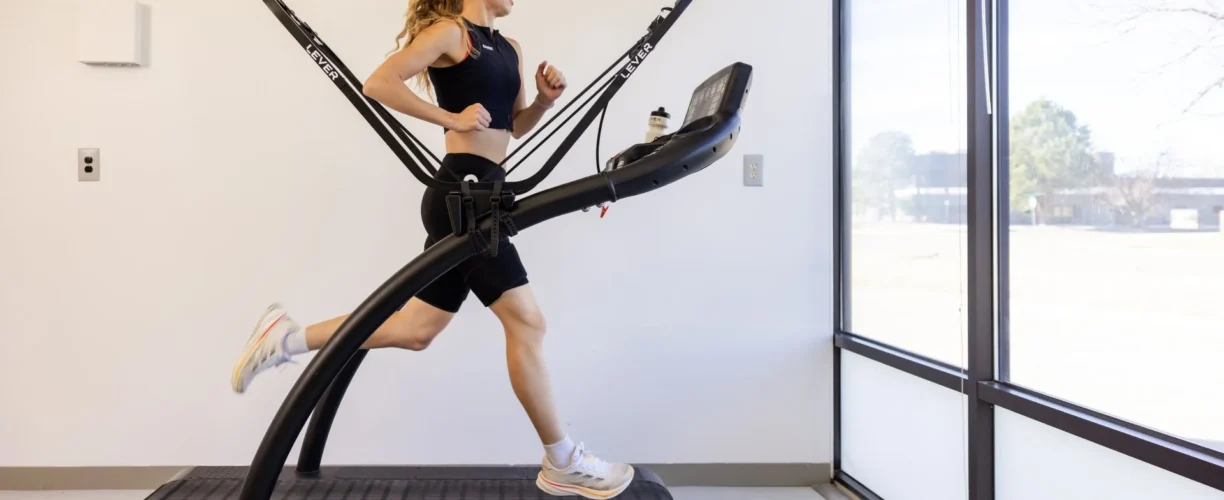
Five of Lake Placid’s top six women discovered LEVER through different circumstances and kept it in their training for the same reason.͏
For many athletes, LEVER first enters the picture when running is taken
away. A stress fracture. Surgery. An injury that requires patience. A
return that can’t be rushed. But something often happens once
they’re healthy again: They keep using it.
At one of the most demanding races in triathlon, five of the top six
professional women at IRONMAN Lake Placid had incorporated LEVER into
their journeys.
Paula Findlay - 1st
Marta Sanchez - 2nd
Rachel Zilinskas - 3rd
Lisa Perterer - 5th
Grace Thek - 6th
Different athletes. Different setbacks. The same realization: reducing
impact isn’t only valuable during rehabilitation it can also help
athletes train consistently, manage demanding mileage, and arrive at the
starting line ready to perform.
FIVE JOURNEYS TO LAKE PLACID
Paula Findlay: From rehabilitation to an unforgettable debut
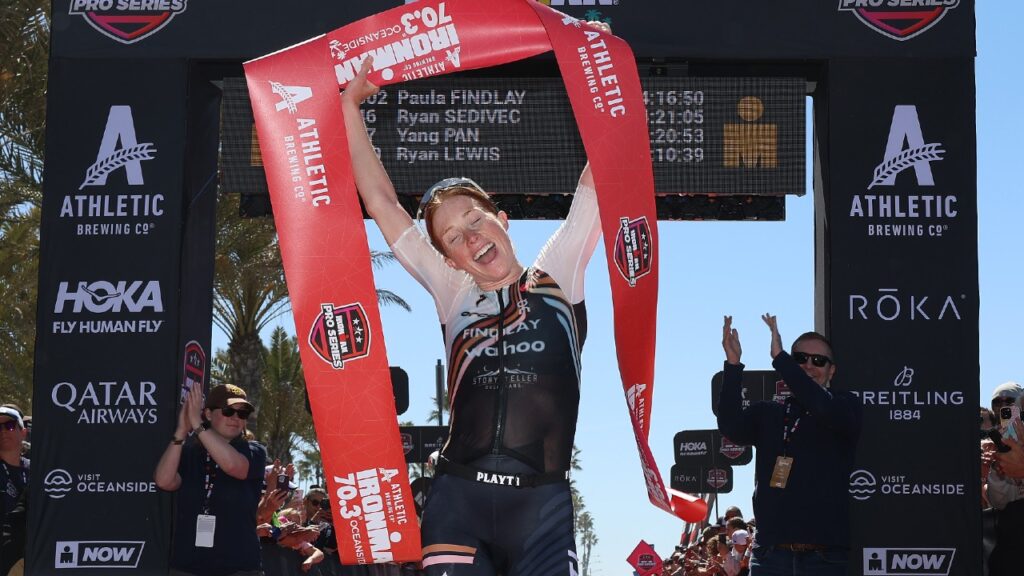
Paula began using LEVER while rehabilitating an injury last year. She
continued using it after returning to full training to help manage
mileage and reduce unnecessary impact. At Lake Placid, Paula delivered a
remarkable full-distance debut winning the race in 8:47:43 with the
fastest bike split of the day and 3rd fastest run.
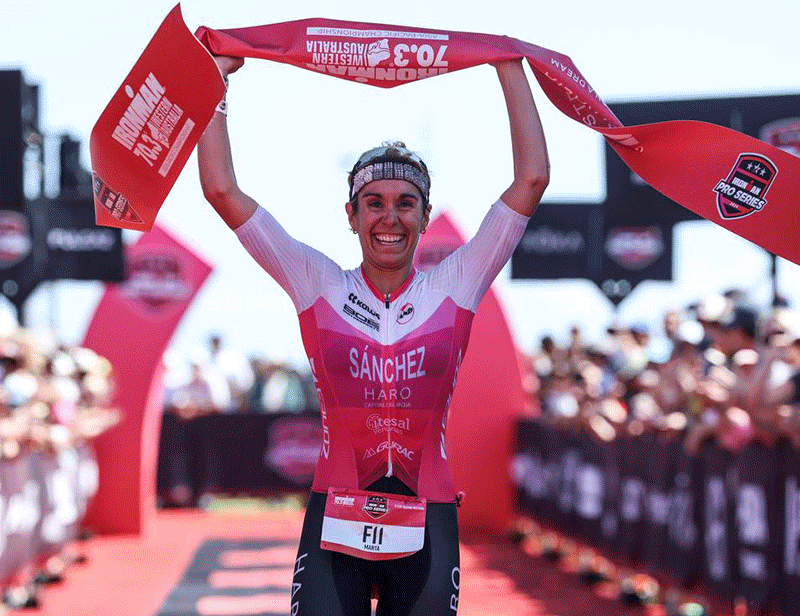
Marta Sanchez: A progressive return from a femoral stress fracture
After a stress fracture in her distal femur ended her race in Kona,
Marta needed a way to reintroduce impact gradually. The closest AlterG
was two hours from her home, so the portability of LEVER gave her the
flexibility to rebuild wherever she trained.
Once healthy, she continued using it for higher-intensity treadmill
sessions, post-race recovery, and training at altitude. In Lake Placid,
she finished second and having the 4th fastest run split of the day.
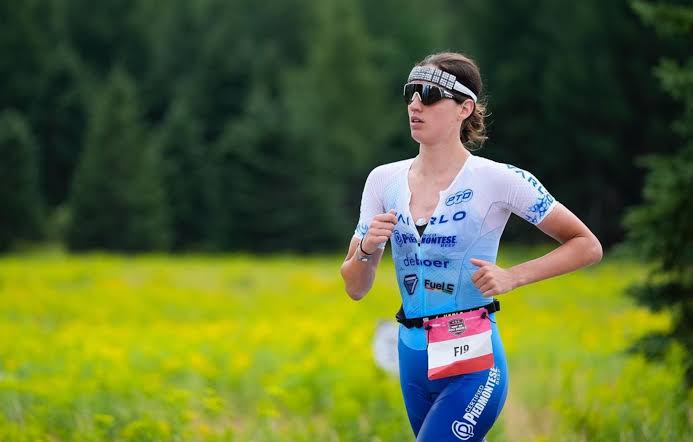
Rachel Zilinskas: Two stress fractures to another professional podium
Rachel endured two stress fractures within a year, including one in her
femoral neck. Much of her return-to-run training was completed with
LEVER.
She came back to win her first professional race, set new IRONMAN and
marathon personal bests, qualify for Kona, and finish third in Lake
Placid.
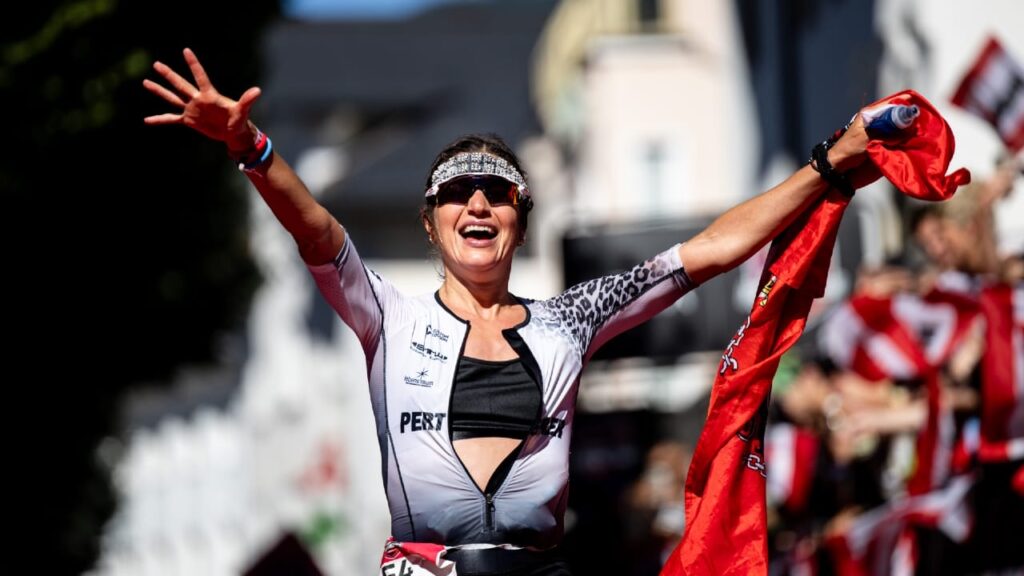
Lisa Perterer: From surgery to a training non-negotiable
Lisa originally used LEVER while returning from surgery. Today she has
mentioned “I used LEVER two sessions each week it has become a
non-negotiable part of my training now.”
That consistency has helped her return to herself and continue
progressing from one race to the next including a fifth-place finish in
Lake Placid.
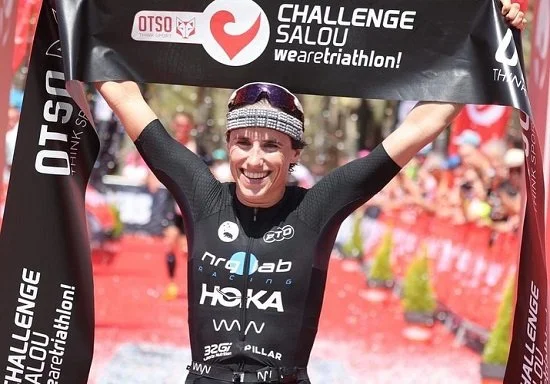
Grace Thek: Managing the demands of a full-distance season
Grace has used LEVER for years to manage training load and support
recovery. With multiple full-distance races on her schedule, she uses it
to maintain intensity with less impact and to recover between demanding
sessions.
“I have no doubt that I’ll be using LEVER more and more as a tool to
help me stay healthy and continue to build to Kona.”
Grace completed the group with a sixth-place finish.
MORE THAN A REHABILITATION TOOL
Those results come from talented athletes, smart coaching, years of
work, and countless decisions made throughout a season. But the pattern
is worth noticing.
LEVER has been part these athletes journey to return to running. Then,
it became a way to:
- Manage mileage during demanding training blocks
- Maintain intensity while reducing impact
- Support recovery between key sessions
- Keep running more consistently throughout the season
- Arrive at race day with fresher legs
YOU DON’T HAVE TO BE A PROFESSIONAL
The same principles apply whether you’re preparing for an IRONMAN,
building toward your first marathon, returning from an injury, or simply
trying to train consistently.
Sometimes smarter training isn’t about doing less. It’s about
finding a better way to keep moving forward.
Copyright (C) 2026 Lever Movement. All rights reserved.