

Cold Water Swimming in the Algarve: Staying Warm, Safe and Enjoying the Adventure
By David Hunt, Sported Coaching
There are few better ways to start the day than an early morning open-water swim.

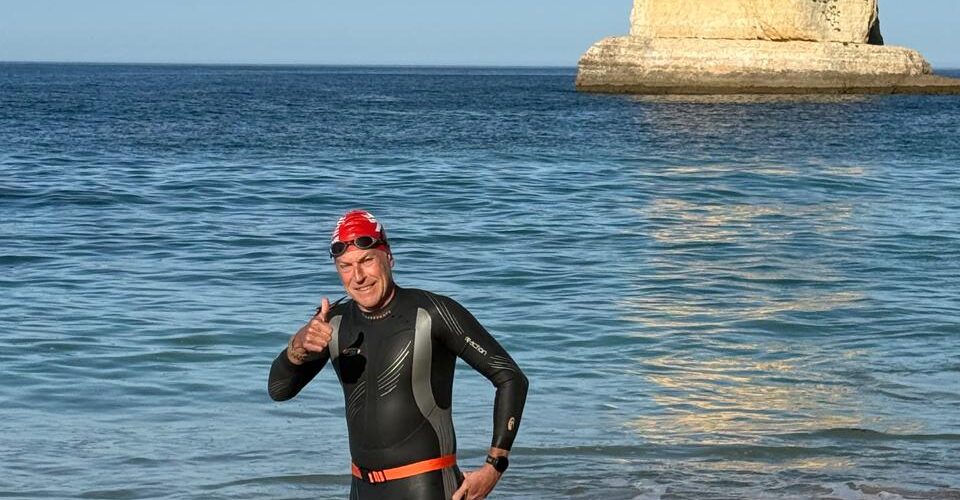
Recently, while spending time in Portugal, I headed down to the beach before breakfast for a swim in the Atlantic Ocean. Standing on the shoreline, I knew it was going to be a cold one. The sand beneath my feet felt chilly and the sea temperature was around 16°C.
The first few moments were exactly what you would expect – a sharp intake of breath, a racing heartbeat and a brief debate with myself about whether this was actually a good idea. Let's get the big muscle groups working and try and get warm as quickly as possible.
A few minutes later, however, I was swimming comfortably through crystal-clear water with the dramatic Algarve coastline behind me, under a deep blue sky. It was invigorating, refreshing and a reminder of why so many athletes are drawn to open-water swimming.
The Reality of Cold-Water Swimming
Many triathletes from the UAE are used to swimming in warm water for most of the year. The Atlantic Ocean can come as quite a shock.
Cold water places additional demands on the body. Muscles take longer to warm up, breathing can feel restricted during the first few minutes and staying comfortable becomes much more dependent on having the right equipment.
The good news is that with sensible preparation, cold-water swimming can be both safe and enjoyable.
Choosing the Right Wetsuit
Your wetsuit is your first layer of protection against the cold. A quality triathlon wetsuit will comfortably handle water temperatures down to approximately 12°C for most swimmers.
For colder conditions, thermal wetsuits provide additional insulation through specialised inner linings that help retain body heat. The additional warmth can be particularly valuable during longer training sessions or endurance events.
The trade-off is that thermal suits can feel slightly heavier than traditional wetsuits, particularly around the shoulders, but many swimmers consider this a worthwhile compromise. Personally fatigue sets in earlier in a thermal suit through a combination of the cold and the heavier suit.
One lesson from my recent swim was how quickly your extremities lose heat. Despite swimming continuously for approximately 45 minutes and covering around 2km, my feet remained cold throughout the session.
If you regularly swim in colder water, consider adding:

A neoprene swim cap or skull cap helps reduce heat loss and can make a noticeable difference to overall comfort.

Cold hands can quickly become numb, affecting both comfort and confidence in the water. Thermal gloves help maintain warmth and dexterity during longer swims.

For many swimmers, feet are the most difficult area to keep warm. Thermal swim boots can significantly improve comfort and extend the amount of time you can comfortably spend in the water.
Safety First
No matter how experienced you are, safety must always come first in open water.
A year ago, I experienced a very close encounter with a high-speed motorboat that simply failed to see me, and my colleagues, in the water. Since then, visibility has become one of my highest priorities whenever I swim outdoors.

Wear a Brightly Coloured Swim Cap
Bright colours such as orange, yellow, red or fluorescent pink stand out against the sea and make you much easier to spot.
Dark colours may look stylish but are surprisingly difficult for boat users to see.

Always Use a Tow Float
A brightly coloured tow float is one of the simplest and most effective pieces of open-water safety equipment available.
Not only does it improve visibility, but it can also carry essentials such as:
- Mobile phone (in a waterproof pouch)
- Nutrition
- Hydration
- Car keys and valuables
It also provides something to hold onto should you need a brief rest during a long swim.
Respect the Conditions
The Algarve coastline is stunning, but conditions can change quickly. Even on calm days, currents, swell and wind can create challenges that are not immediately obvious from the shore.
Before every swim:
- Check local conditions and tides
- Swim with others whenever possible
- Tell somebody where you are going
- Stay within your ability level
- Build exposure gradually
Cold-water adaptation takes time.
Why It's Worth It
There is something uniquely satisfying about completing a cold-water swim.
The combination of physical challenge, mental focus and connection with nature creates an experience that is difficult to replicate in a swimming pool.
Whether you are training for your next triathlon, preparing for an open-water event or simply looking for a new adventure, cold-water swimming offers an entirely different dimension to the sport.
Just remember: stay visible, stay warm and respect the conditions.
The Atlantic might be cold, but that's part of the attraction.
By David Hunt certified tribute coach