

Beginner’s Guide to T100 Dubai Race-Day Nutrition A simple, proven fuelling plan for Age Group triathletes
Ever hit the wall mid‑run despite a great swim and bike? For many UAE‑based age‑group triathletes gearing up for T100 Dubai, that bleak moment has nothing to do with fitness, it’s nutrition. In this guide we’ll walk through a straightforward, practised carbohydrate‑focussed fueling plan, built on years of triathlon coaching under my belt at Sported. Get it dialled, and you’re far more likely to cross the line feeling strong, not spent.
Why Race‑Day Nutrition Matters
Triathlon is as much a metabolic game as a muscular one. Especially at an event like T100 Dubai (2 km swim, 80 km bike, 18 km run), the ability to keep carbohydrate stores topped up makes the difference between pushing and plodding.
Fueling properly helps you:
- Maintain steady energy throughout the day
- Sustain bike power and run pace
- Stay sharp mentally (not fogged or crashing)
- Reduce gut issues (by avoiding sudden high‑fibre, high‑fat spikes)
- Finish strong, not just survive
Carbohydrate Targets: What to Aim For
A smart, realistic target for a first‑time or developing age‑group athlete is: 80–100 g of carbohydrate per hour. You don’t need perfect precision, but you do need a plan.
Why this range? Fuel guides from trusted sources such as Maurten suggest 60‑90 g/hour for longer sessions across endurance sport in heat. In the UAE heat, with our bike and run leg, targeting toward the upper range helps ensure you don’t hit a cliff.
Practice is key: Your gut adapts like a muscle. If you hit 80 g/hour in training, you’ll be far more comfortable doing it on race‑day.
Make the Bike Leg Your Fueling Backbone
If there’s one place to truly lock in your race nutrition, it’s the bike leg. It offers the perfect storm of opportunity: your heart rate is more stable, digestion is easier, and access to bottles and gels is hassle-free. For age-groupers in hot conditions like Dubai, this is your metabolic investment window, fuel smartly here, and you’ll dramatically increase your chances of holding pace and form on the run. Think of the bike not just as the middle leg, but as the platform that powers your final push.
When it comes to race‑day nutrition, the bike is your golden window. Here’s why:
- You’re in a stable posture (easier digestion)
- Access to bottles, gels, and fuel is simpler
- Impact on your body is lower than during the run
- What you take here supports the run
Plan: Use the bike leg to deliver the bulk of your hourly carbohydrate target, aim for the full 80‑100 g/hour here, then maintain or slightly reduce during the run if needed.
Liquids vs Gels – Keep It Simple and Reliable
For beginner and developing age-groupers, simplicity wins. On race day, under fatigue and rising heat, the last thing you want is a complicated, multi-step fueling plan that requires too much thinking or fine motor coordination. That’s why we recommend sticking to a proven combo: carbohydrate drink mix + energy gels.
Why This Combo Works:
- Drink mixes allow you to steadily sip in carbs, hydration, and electrolytes in one smooth action, ideal for the bike when your hands are occupied and your focus is on the road.
- Gels provide quick, compact boosts of carbs when you feel your energy dropping or need to top up, especially heading into the run.
At Sported, we often see athletes try to overengineer their strategy, adding salt tablets, chewing blocks, and separate hydration bottles, only to end up confused, bloated, or under-fueled. Race-day nutrition should feel familiar and automatic. That only happens when your fueling approach is streamlined and well-practised.
A Note on Electrolytes:
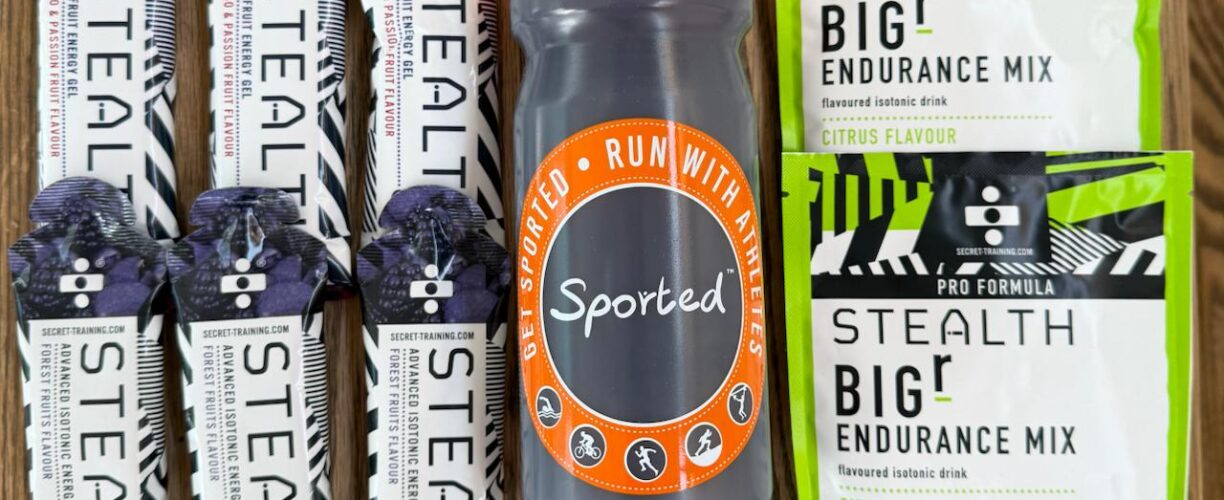
Many top-tier carb mixes (like Maurten Drink Mix 320 or STEALTH BiGr Endurance) already contain the right balance of electrolytes to match sweat losses in typical hot-weather racing. Unless you’re a heavy or salty sweater, you likely don’t need additional tablets or capsules. Overloading sodium can lead to bloating, especially when hydration isn’t precisely timed.
Tip: Practise Your Combo in Real Conditions
Don’t wait until race day. Use your long bricks or Friday morning group rides to test how your stomach handles this combination at intensity, in the heat, and under real pacing. The more you normalise this strategy, the more likely you are to execute it seamlessly come race day.
Bottle Space is Fuel Space, Use It Wisely
Every bottle cage is prime real estate, and what you choose to put in those bottles directly affects your performance. One of the most common and costly mistakes we see, especially among first-timers, is using this space for plain water.
Why Plain Water Falls Short:
- It contains no carbohydrates, which means it doesn’t replace your primary energy source.
- It lacks electrolytes, which are essential for muscle function and hydration balance, especially in the dry, high-sweat conditions of the UAE.
- It does nothing to sustain performance beyond simply wetting your mouth.
Plain water might seem like a safe bet, but in long-course racing, it’s an incomplete solution. Worse, it can dilute your overall sodium intake if consumed in large amounts without electrolytes.
A Smarter Strategy:
Use carb-rich drink mixes in both bottles on the bike. These give you:
- Steady carbohydrate delivery
- Tailored electrolyte content
- Hydration that actually supports endurance performance
You can still grab small cups of water at aid stations to wash down a gel or cool off your core, but your onboard bottles should always serve a fueling function.
Think Like a Pro, Even as an Age-Grouper
Elite athletes don’t waste bottle space, and neither should you. Whether you're training on the Al Qudra loop or racing along the Dubai coastline, your bottle strategy should be intentional, tested, and performance-focused.
Pre‑Swim “Top‑Up” Fuel
The period between setting up in transition and the swim start often goes overlooked, yet it’s one of the most strategic windows for age-groupers to build a small but critical energy buffer. That final 45–10 minutes before you hit the water is your chance to top off glycogen stores, calm the nerves, and prepare your body for the intensity to come.
Why This Matters:
By the time you reach the start line, several hours may have passed since breakfast, especially with early check-ins and transport to the venue. Without a pre-swim top-up, you risk starting your race under-fueled, which can compromise not just your swim, but your ability to fuel effectively on the bike.
What to Take:
Keep it light, simple, and easily digestible. Good options include:
- One energy gel (ideally one you’ve trained with)
- Half a bottle of carb drink (like Maurten 160 or STEALTH)
- A ripe banana
This isn't the time to reinvent the wheel. Stick with what you’ve used in training and avoid high-fibre, high-fat, or unfamiliar foods. It primes your system, settles your mind, and helps you start your swim with more fuel reserves.
Practice Makes Perfect, Use Your Training Sessions
At Sported, we emphasise testing your race‑day fuel strategy in training, because race day isn’t the time to experiment.
In your key long rides/bricks:
- Hit your hourly target (80‑100 g/hour) on the bike
- Try the same combination of drink mix + gels you plan to use on race day
- Simulate race conditions as much as possible (heat, hydration, gear, nutrition)
This builds both physiological and mental confidence.
Sample Race Day Fueling Timeline (for T100 Dubai)
- Night before: Carbohydrate‑rich, low‑fibre dinner
- Race morning (1–2 hrs pre): 1–2 g/kg of carbs (easy breakfast)
- 45–10 min pre‑swim: One gel or banana or carb drink
- Bike leg (hours 1–3 or more): Aim for 80‑100 g carbs per hour via drink + gels
- Run leg: Continue fueling as tolerated; aim for high end early, ease if needed
- Post‑race: Recover with carbs + protein to replenish and rebuild
Why This Plan Aligns With UAE Age‑Group Realities
- Many age‑groupers in the UAE train around busy lives, work, family, limited time. This plan is simple, straightforward and easy to implement.
- Heat and humidity amplify gut‑stress risk, keeping the strategy simple (drink mix + gels) reduces failures.
- At 80–100 g/hour, you’re focusing on performance rather than just “getting through”.
- Our Sported community and shop in Dubai is geared to supporting these products and plans, helping you pick and test the right fuel in‑person.
Key Takeaways
- Aim: 80‑100 g carbs per hour during the bike and run
- Practise: Don’t leave everything to race day
- Bike: Your major opportunity for fueling
- Drink mix + gels: Simple, reliable combo
- Avoid plain water as your main bottle: Bottles = fuel
- Pre‑swim fuel top‑up: Set yourself up for the start
- Keep it consistent, keep it simple, and execute your plan
You’ve put in the hard miles for T100 Dubai, don’t let race-day nutrition be the thing that catches you out. Think of fueling and gear as part of your training toolkit.
If you need help figuring out what works for you, swing by the Sported shop or check out our fueling essentials online.
Downloadable Resources
We’re here for the questions, the tweaks, and everything in between, so you can hit that finish line feeling strong, satisfied, and ready for whatever’s next.