

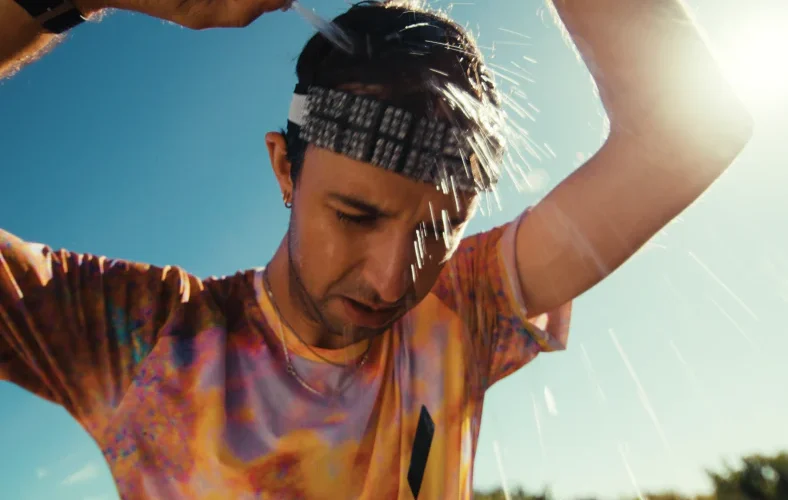
Heat Acclimatisation for Triathletes: How to Master the Heat & Race Smart in Dubai
Did you know that just 10 days of targeted heat exposure can transform how your body copes in a 35°+ race environment? In this guide we’ll unpack everything you need to know about heat acclimatisation, from how your body reacts when the mercury rises, to a practical plan for racing hot‑weather events.
I'm David Hunt, founder of Sported and a Certified Trisutto Coach. Over the years, I’ve trained and raced in my fair share of hot, tough conditions, (Thailand, Oman, UAE etc) so I know how much of a difference the right preparation can make. In this guide, I’ll share some practical ways to get your body ready for the heat, along with a few gear tips and a race-day checklist.
Why heat matters in triathlon
When you’re competing in the hot conditions typical of Dubai, your body enters a dual battle: producing power across swim, bike and run, and dissipating the extra internal heat you generate, plus the external heat load. If you watched the IronMan World Championships in Kona you will have seen how the heat affects even the best trained athletes in the world with Taylor Knibb coming to a halt with only 3km left of the run due to a “Heat Incident”. Without adaptation:
- Your heart rate will be higher than usual for the same pace or power.
- Your core and skin temperatures will rise faster; your cooling systems (sweating, skin blood flow) become less efficient, especially if humidity is high.
- You lose performance: studies show power, pace and endurance drop when racing unacclimatised in the heat.
- Your recovery burden increases and injury/inflammation risk goes up, a major concern for age‑groupers juggling training with life and recovery.
Racing in the heat takes more out of you than most people realise. It adds an extra layer of physical stress that can affect everything from your pacing to how well you recover. That’s why getting your body used to those conditions ahead of time really matters.
What actually happens in the body when you acclimatise
Heat acclimatisation is the process of exposing your body to sustained ‘heat stress’ so physiological adaptations occur, and have you ready to race in a hot environment. Here’s a breakdown of what happens:
- Blood plasma volume increases: This improves cardiovascular stability (better blood flow, improved stroke volume) so your heart doesn’t need to work as hard for a given pace.
- Earlier and more efficient sweating: Your body begins sweating sooner, in greater volume, and with lower electrolyte concentration, improving cooling and reducing risk of salt loss.
- Reduced heart rate and core temperature response: For the same workload in the heat, acclimatised athletes will see lower heart rate and lower internal temperature rise.
- Improved skin blood flow and thermoregulation: More effective transfer of heat from core to surface and off the body.
- Better fluid‑electrolyte balance: Less of a hit on sodium/potassium and better stability in hot conditions.
- Perceptual benefit: Racing in the heat feels easier, less subjective strain, which helps you execute better.
In essence: you reduce the thermal “tax” that the heat places on your body, allowing a higher fraction of your fitness to be available for performance. For a busy age‑group triathlete, that difference can be the gap between hitting your goal time or missing it due to “melting” in the sun.
A practical heat‑acclimatisation plan for triathletes
You don’t need to overhaul your entire training plan to prepare for racing in the heat, but you do need a focused block that helps your body adapt to hotter conditions. Here’s a step-by-step approach to structuring that block in a way that works with your lifestyle, your training, and the demands of racing in the heat.
If you're based in Dubai and training consistently outdoors, your body is likely already adapted to the region’s high temperatures. That said, heat acclimatisation isn’t just for newcomers. If you're travelling into the UAE for a race like T100 Dubai, or heading south for a race during their summer, it’s worth having a strategy in place.
Short-term acclimatisation blocks, even just 7–10 days of controlled heat exposure, can make a noticeable difference. For Dubai-based athletes racing in cooler climates, the reverse can also be true—overheating in cooler, humid locations due to over-layering or underestimating local conditions.
The key is to tune into what your body needs for the race ahead, not just your current environment. If your event conditions will be different from your training conditions, make adjustments early. Our heat acclimatisation blog outlines a flexible approach that fits around real-life schedules and can help build that resilience without overhauling your entire plan.
Step A: Timing
When it comes to heat adaptation, timing makes all the difference. Start too late, and your body won’t have time to adjust. Go too early, and you risk losing the benefits before race day. The sweet spot is a window that lets you build, maintain, and still taper well.
- Aim for a 7‑14 day block of dedicated heat exposure about 2‑3 weeks out from your target race. Research shows significant adaptations within this period.
- If you have more time, 3+ weeks is ideal, but balance load and recovery.
- If you’re travelling in from a cooler climate, arrive early and get upto 10 days of local exposure + this block. Studies show decay of adaptations if you don’t maintain heat exposure.For example Julie Derron arrived two weeks prior to last year’s T100 final
Step B: Exposure methods
There’s more than one way to expose your body to heat. Whether you’re training outside in Dubai’s natural conditions or indoors somewhere cooler, the key is consistency, and making sure the sessions actually create enough heat stress to trigger adaptation.
- Real‑world in Dubai: schedule 20‑40 min sessions in the hottest part of the day (or use outdoor bike/run when safe) at moderate intensity (not all‑out).
- If your base training environment is cooler: use indoor methods, layered clothing, hot room sessions, or post‑workout sauna/hot bath.
- Aim for consecutive days of exposure (ideally). The more consistent, the stronger the adaptation signal.
Step C: Training load & intensity adjustments
Adding heat to your training increases the overall stress on your system, even if the session isn’t particularly hard. To avoid burning out or picking up niggles, you’ll need to dial in your intensity and be smart about where these sessions fit in the wider training week.
- Because heat exposure adds stress, be prepared to reduce other load or intensity slightly during the block to allow recovery.
- Use lower intensities or substitute a high‑intensity session with a heat‑acclimation session.
- Keep sessions moderate; the goal is adaptation rather than maximal training output.
Step D: Hydration & nutrition strategy
Hydration becomes even more important during a heat block, not just during training but throughout the day. Getting it right can make your sessions more effective and your recovery smoother, and help you avoid the kind of dehydration that ruins workouts or races.
- Begin each day fully hydrated; avoid starting heat sessions in a hypohydrated state.
- During the block, monitor sweat rate (weigh yourself before & after session) to understand fluid and salt loss.
- Use electrolyte‑rich drinks or add salt if indicated (especially important in UAE climate and high sweat rates).
- After sessions, focus on recovery: quality protein + carbs helps offset heat stress. Some studies show protein post‑heat exposure helps adaptation when paired with heat sessions.
Step E: Race‑day strategy for hot events
Even with a solid acclimatisation block behind you, race day in the heat brings its own challenges. Having a clear plan, from pacing to pre-cooling to how you’ll manage hydration, helps you stay focused and avoid unnecessary surprises out on the course.
- Pre‑cooling options: Use cold towels, ice vests, or shaded waiting areas. Cooling the body before the start reduces initial thermal load.
- Pacing: Accept that heart rate and perceived effort may remain elevated in the heat vs your normal training environment. Adjust expectations accordingly.
- Hydration on course: Because sweat rates will be higher, take advantage of aid stations, use hydration gear (e.g., belts or packs) and consider carrying your own electrolyte solution.
- Clothing/gear: Light‑coloured, breathable fabrics, sun protection, and cooling headbands or caps (see product note below) help.
- Post‑race recovery: Focus on rapid cooling (shade, fans, cold fluids), restoration of fluids/salts, and rest — because recovery stress is greater in heat.
Managing your triathlon heat training load and recovery
For age‑groupers juggling work, family and training, adding a heat‑acclimatisation block must be done smartly:
- Integrate it into a training plan: For example, replace a moderate-intensity session with a heat‑adaptation session rather than adding extra volume.
- Schedule recovery: Ensure the day after your longest heat session is a recovery/light day (active recovery, mobility work).
- Monitor fatigue & wellness: Keep tabs on sleep, mood, resting heart rate, heat is an added stressor and you may need to reduce volume elsewhere.
- Use gear and recovery aids: Cooling headbands, hydration systems and even early morning or shaded sessions can reduce unnecessary heat load when you’re not intentionally acclimating.
- Leverage the UAE environment: If you live in or train in Dubai, some of the exposure is already built in, but don’t assume you’re automatically acclimated. A dedicated block still works.
Gear that gives you an edge when racing in the heat
When you’ve put in the work to acclimatise, the right gear can help you hold onto those gains and stay one step ahead of the heat on race day.
One standout piece? Omius headbands. These are designed specifically to enhance cooling where it matters most, around the head and forehead, which are key zones for thermoregulation. Whether you're deep into the run leg the Omius system helps lower perceived effort and keeps you more comfortable when conditions get tough. It’s a small detail that makes a big difference. Have you seen how many of the professional triathletes use this product?
Hydration is another non-negotiable. In hot conditions, fluid and electrolyte losses climb fast, especially in the later stages of a long race. That’s why we stock hydration systems and a range of hydration and nutrition brands that are tested for high-heat environments like Dubai. They’re designed to replace what you actually lose, not just keep you topped up.
Together, these products won’t do the work for you, but they’ll help you get more from the effort you’ve already put in. And when the sun’s beating down and every degree counts, that edge matters.
Applying this to T100 Dubai
If you’re targeting T100 Dubai, you already know it’s not just the distance that’s demanding, it’s the conditions too. Heat, humidity, and reflected sun off the roads can all take their toll if you’re not ready. But with a bit of planning, you can turn that challenge into something you’re prepared for, not blindsided by. Here’s how to put everything we’ve covered into action for race day.
- About 3–4 weeks before race day, begin your 7–14 day heat‑acclimatisation block. If you live locally, use outdoor sessions after sunset/early evening when temps are still high; if travelling, aim to arrive early.
- In your bike/run sessions within that block, introduce shorter durations (20‑40 min) in full heat load (bike outdoors midday or use indoor bike with layers).
- Monitor your hydration status, sweat rate and recovery. If HR or perceived effort is significantly higher than normal, it may be sign: adapt load or reduce intensity.
- On race morning: use pre‑cooling (cool towel, shaded waiting area), ensure your hydration strategy is dialled (carry fluid if needed), wear a breathable suit, and run with your Omius headband or similar to reduce head heat load.
- During the race: pace prudently, avoid the trap of starting at your usual cooler‑weather pace and blowing up when heat catches up. Use shade, aid stations and cooling zones if available.
- After the race: implement rapid cooling and hydration, and allow extra recovery days because your physiological load has been higher than in cooler weather.
Preparing this way helps you handle the heat with confidence, giving you the best chance to perform strongly on the day and bounce back quickly afterwards.
At Sported, we see heat acclimatisation as a key part of preparing for events like T100 Dubai, not just for performance, but for comfort and recovery too. If you’d like some guidance, drop by the Sported shop, we’re always happy to chat through your plan and help you find the gear that fits your needs.